Editorial Board
Editorial Board Roles and Responsibilities
- Provide academic guidance on the journal’s scope, standards, and long-term development
- Contribute disciplinary and interdisciplinary perspectives to support the scholarly quality and integrity of the journal
- Advise on reviewer selection and thematic development when appropriate
- Do not participate in final manuscript acceptance decisions
All submissions are evaluated through an independent peer-review process conducted by external reviewers with relevant subject expertise.
Final publication decisions are made by the Editor-in-Chief and the Scientific Co-Editor-in-Chief, together with the editorial team.
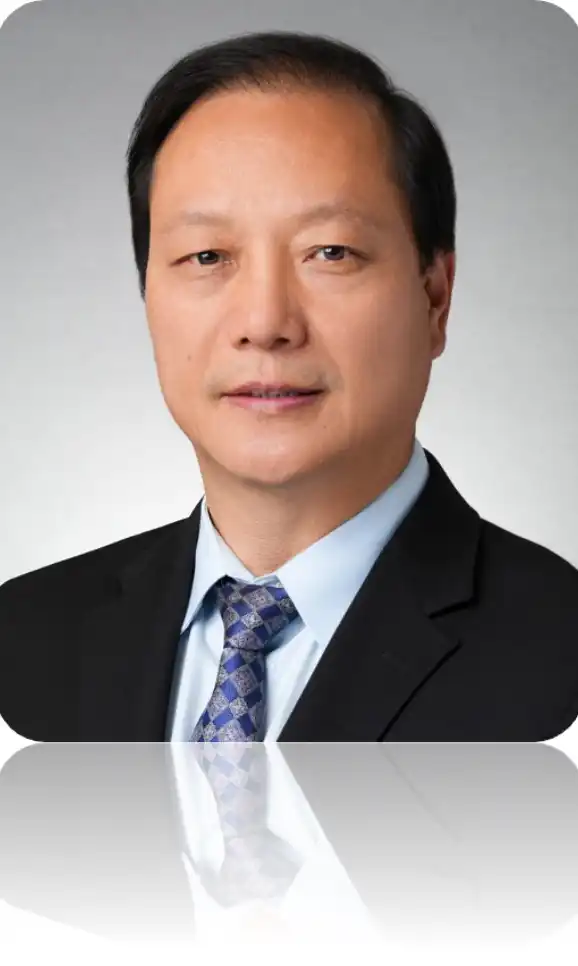
Shudong Li, Ph.D. (USA) Bio
Founding Editor-in-Chief / Executive EiC
Dr. Shudong Li currently serves as President of the World Taiji Science Federation (WTSF), President of the World Wushu Open Championships (WWOC), and Editor-in-Chief of the Journal of Taiji Science (JTS). He holds a Ph.D. in Sport Science from Shanghai University of Sport. His academic work focuses on the scholarly study and modern application of traditional mind–body movement systems, with particular emphasis on Taiji, health promotion, and mind–body integration.
Dr. Li has previously served as Founding Vice President of the International Health Qigong Federation, Commissioner of the California Acupuncture Board, and Committee Member of the Kungfu Committee of the International Wushu Federation (IWUF). He has been actively involved in international academic exchange, professional evaluation, and the development of standards related to mind–body movement practices. His experience spans global promotion, education, and interdisciplinary collaboration in Taiji, Qigong, and related movement disciplines.
As the founder of the Stanford University Medical Taiji Course, Dr. Li has advanced the integration of Taiji practice with modern anatomy, preventive medicine, and health education. Through his editorial leadership and academic initiatives, he is committed to fostering interdisciplinary dialogue between traditional mind–body practices and contemporary sport science, health research, and integrative medicine.
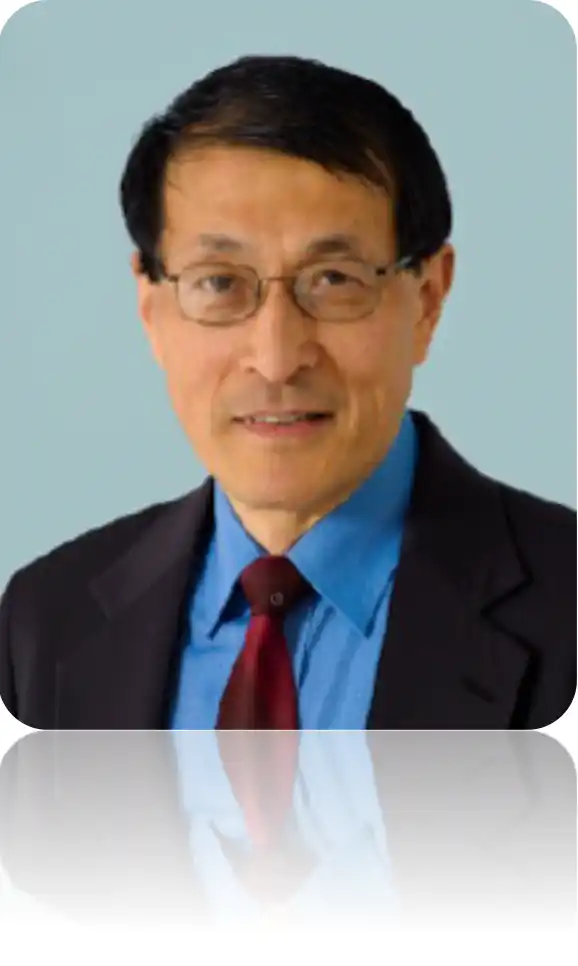
Weimo Zhu, Ph.D. (USA) Bio
Scientific Co-Editor-in-Chief
Founding President, WTSF and JTS
Founding President, WTSF and JTS
Professor of Kinesiology and Community Health University of Illinois at Urbana-Champaign
Dr. Weimo Zhu is an internationally recognized authority in Kinesmetrics—the science of measurement and evaluation in the field of kinesiology. He earned his Ph.D. from the University of Pittsburgh and has conducted extensive research on physical fitness testing, physical activity surveillance, youth health, and the scientific evaluation of mind-body practices such as Taiji and Qigong. He has published over 100 peer-reviewed articles in SCI/SSCI-indexed journals and has served as Principal Investigator on major research grants funded by the U.S. National Institutes of Health (NIH) and the Robert Wood Johnson Foundation (RWJF).
He previously served as Editor-in-Chief of Research Quarterly for Exercise and Sport, one of the leading journals in the field of physical activity and sport science. In addition, Dr. Zhu has contributed to numerous U.S. national expert panels focused on youth fitness standards, physical activity guidelines, and health promotion policy.
A long-time practitioner and scientific advocate of traditional Chinese wellness practices, Dr. Zhu is a strong proponent of integrating Taiji and Qigong into evidence-based wellness models. His leadership bridges East and West, combining rigorous scientific methodology with the holistic principles of traditional mind-body disciplines

Hugh B. Solvason, Ph.D., M.D. (USA)
Section Editor — Neuroscience & Mental Health
Professor of Psychiatry, Stanford University
Director, Stanford Neuromodulation Therapy Clinic
Dr. Hugh B. Solvason is Professor of Psychiatry at Stanford University and Director of the Stanford Neuromodulation Therapy Clinic. He is an internationally recognized clinician-scientist specializing in mood disorders, with particular expertise in treatment-resistant depression. His research and clinical work focus on the application and evaluation of advanced neuromodulation and neurobiological interventions, including transcranial magnetic stimulation (TMS), ketamine-based therapies, and emerging neuropsychiatric treatment modalities.
Dr. Solvason has contributed to influential clinical and translational studies that have advanced evidence-based approaches for patients unresponsive to conventional psychiatric treatments. His work integrates neuroscience, personalized medicine, and interdisciplinary therapeutic strategies to improve mental health outcomes.
As Section Editor for Neuroscience and Mental Health at the Journal of Taiji Science, Dr. Solvason oversees the peer review and academic evaluation of submissions related to neuropsychiatry, brain–behavior mechanisms, and mind–body interventions, supporting the journal’s interdisciplinary focus on integrative mental health research.
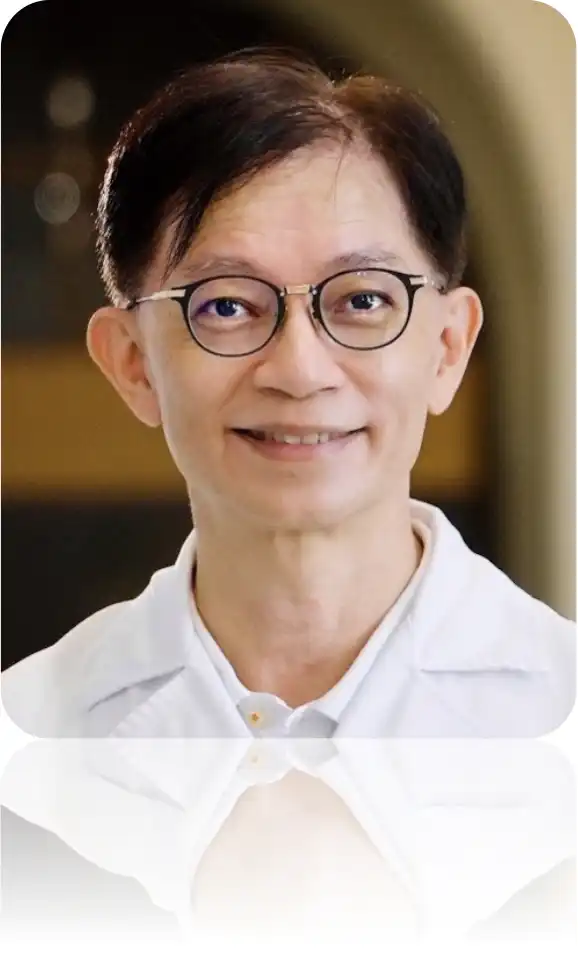 Wei-Zen Sun, M.D., EMBA (Taiwan)
Section Editor — Medicine, Pain & Clinical Research
Professor Emeritus of Anesthesiology, National Taiwan University
Chair, Pain Management Center, Cathay General Hospital
Dr. Wei-Zen Sun is Professor Emeritus of Anesthesiology at National Taiwan University and currently serves as Chair of the Pain Management Center at Cathay General Hospital. He is a physician-scientist with extensive clinical and research experience in anesthesiology, pain medicine, and perioperative care, with particular expertise in chronic pain management and integrative clinical approaches.
Dr. Sun has published more than 180 articles in SCI-indexed journals and over 200 academic works in total. His research spans pain mechanisms, anesthesiology, cancer-related pain, immunotherapy, and the clinical evaluation of mind–body interventions, including Taiji-based therapeutic applications. He has served as Editor-in-Chief of the Asian Journal of Anesthesiology and Associate Editor of the Journal of the Formosan Medical Association and Anesthesia & Analgesia (Chinese Edition), bringing substantial editorial experience in peer-reviewed medical publishing.
As Section Editor for Medicine, Pain, and Clinical Research at the Journal of Taiji Science, Dr. Sun oversees the peer review and academic evaluation of clinically oriented submissions, with emphasis on medical rigor, translational relevance, and evidence-based integration of mind–body practices into contemporary healthcare.
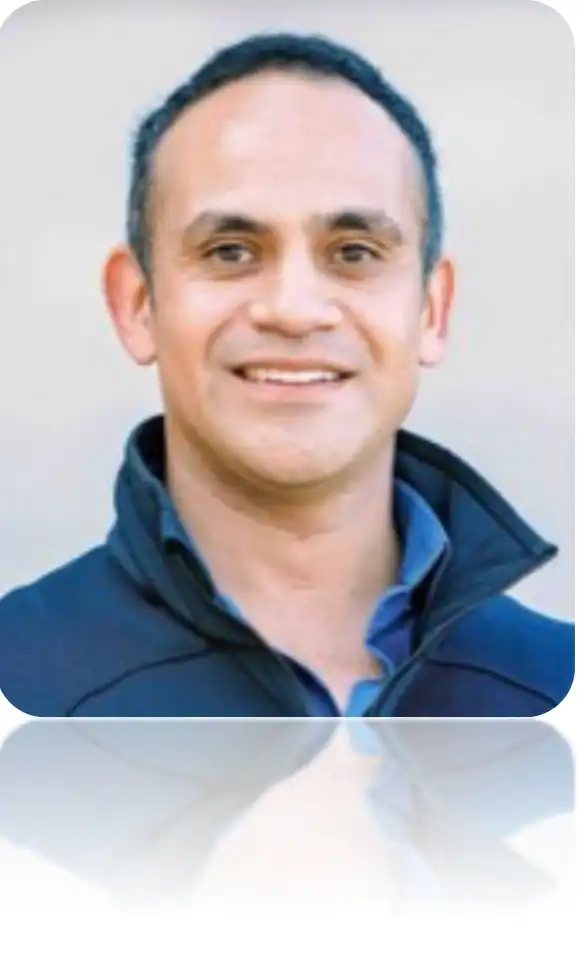 Samuel Montalvo Ph.D. (USA / México)
Section Editor — Exercise Physiology & BiomechanicsResearch Fellow in Cardiovascular Medicine, Stanford University
Dr. Montalvo is supported by fellowships from the Wu Tsai Human Performance
Dr. Samuel Montalvo is a Research Fellow in Cardiovascular Medicine at Stanford University, supported by fellowships from the Wu Tsai Human Performance Alliance and the NIH T32 Myocardial Biology Program. His research integrates exercise physiology, biomechanics, and multi-omics approaches to investigate the molecular and physiological foundations of human performance and cardiovascular health.
Dr. Montalvo plays a key role in data analysis and translational research within the NIH-funded Molecular Transducers of Physical Activity Consortium (MoTrPAC), contributing to studies in sports cardiology, cardiopulmonary exercise testing, neuromuscular disorders, and elite athletic performance. His work emphasizes rigorous quantitative methods and evidence-based evaluation of exercise interventions.
As Section Editor for Exercise Physiology and Biomechanics at the Journal of Taiji Science, Dr. Montalvo oversees the peer review and academic evaluation of submissions focused on movement science, performance mechanisms, and exercise-based health interventions, supporting the journal’s integration of traditional movement practices with modern biomedical research.
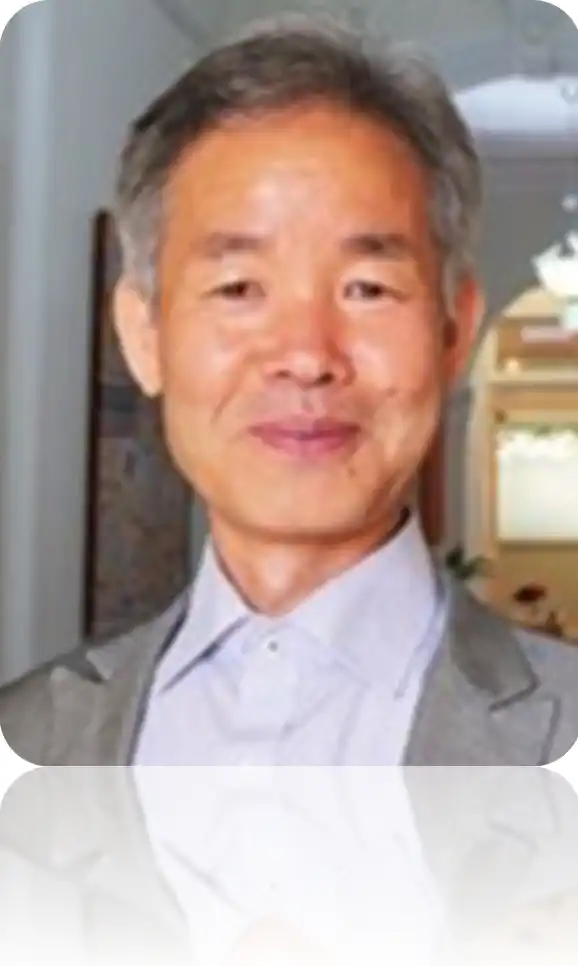 Byeongsang Oh, Ph.D. (Australia)
Section Editor — Integrative Medicine & Oncology
Clinical Associate Professor, Sydney Medical School
President, International Medical Tai Chi Qigong Association
Dr. Byeongsang Oh is a Clinical Associate Professor at Sydney Medical School and an internationally recognized researcher in integrative oncology and mind–body medicine. His academic and clinical work focuses on the evidence-based integration of complementary therapies—including medical Tai Chi and Qigong, acupuncture, and lifestyle interventions—into cancer care and supportive oncology.
Dr. Oh has published more than 60 peer-reviewed articles with over 2,400 citations. His research spans integrative oncology, gut microbiome science, lifestyle medicine, and quality-of-life interventions for cancer patients and survivors. He has served as Guest Editor for peer-reviewed journals in integrative medicine and oncology-related fields and is an active member of the American Society of Clinical Oncology (ASCO) and the Society for Integrative Oncology (SIO).
As Section Editor for Integrative Medicine and Oncology at the Journal of Taiji Science, Dr. Oh oversees the peer review and academic evaluation of submissions related to integrative clinical models, oncology outcomes, and evidence-based applications of mind–body practices within contemporary healthcare systems.
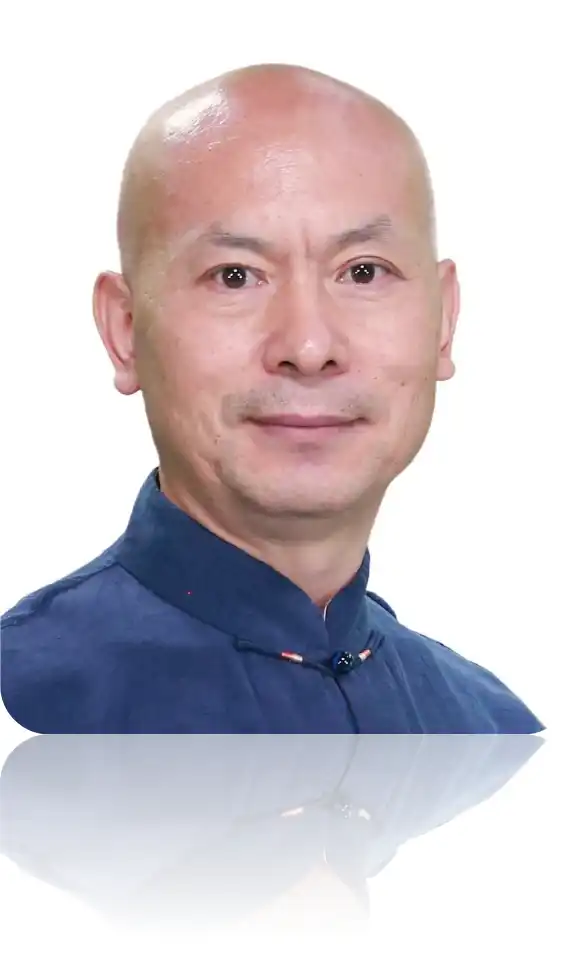
Xiaojun Wang, Ph.D. (China)
Section Editor — Exercise Prescription & Rehabilitation
Professor, Beijing Sport University(China)
Dr. Xiaojun Wang is Professor at Beijing Sport University and a leading scholar in exercise prescription, rehabilitation science, and traditional exercise–based health interventions. He is a core expert of the Chinese national exercise prescription expert group and has played a key role in developing evidence-informed models for integrating traditional movement practices into modern rehabilitation and preventive healthcare.
Dr. Wang has published more than 20 papers in SCI-indexed and core academic journals and has authored multiple monographs on traditional exercise therapy and rehabilitation science. His research focuses on exercise prescription mechanisms, aquatic exercise therapy, and the clinical application of traditional movement systems in chronic disease management and functional rehabilitation.
As Section Editor for Exercise Prescription and Rehabilitation at the Journal of Taiji Science, Dr. Wang oversees the peer review and academic evaluation of submissions related to rehabilitation protocols, exercise-based interventions, and evidence-based applications of traditional movement practices within contemporary health and rehabilitation systems.

Bill Drougas, MSc, PhD, PhD (Greece)
Editorial Board Member
Dr. Bill Drougas is Full Professor at the University of Ioannina, Greece. He holds dual doctoral degrees in Physics and Neurophysiology and is an internationally recognized scholar in somatic cognition, neurodynamics, and movement perception. His research has produced numerous peer-reviewed publications examining the neural and perceptual foundations of embodied movement and sensorimotor integration.
His interdisciplinary work bridges neuroscience, cognitive science, and movement studies, with particular focus on neuroplasticity, perception–action coupling, and the physiological mechanisms underlying mind–body practices. Dr. Drougas frequently presents his research at international conferences in neuroscience, cognitive science, and movement research.
In parallel with his academic career, Dr. Drougas has more than four decades of experience in traditional internal martial arts and is a 13th-generation lineage holder of Chen-style Taijiquan. He is the founder of the Cheng Dao Academy of Taijiquan and Qigong, through which he has contributed to the international dissemination of Taiji and related practices across Europe, Asia, and North America.
As a member of the Editorial Board of the Journal of Taiji Science, Dr. Drougas contributes rigorous interdisciplinary expertise in neuroscience and embodied cognition, supporting high-standard peer review and advancing scientific inquiry into the mechanisms and applications of Taijiquan and related mind–body practices.
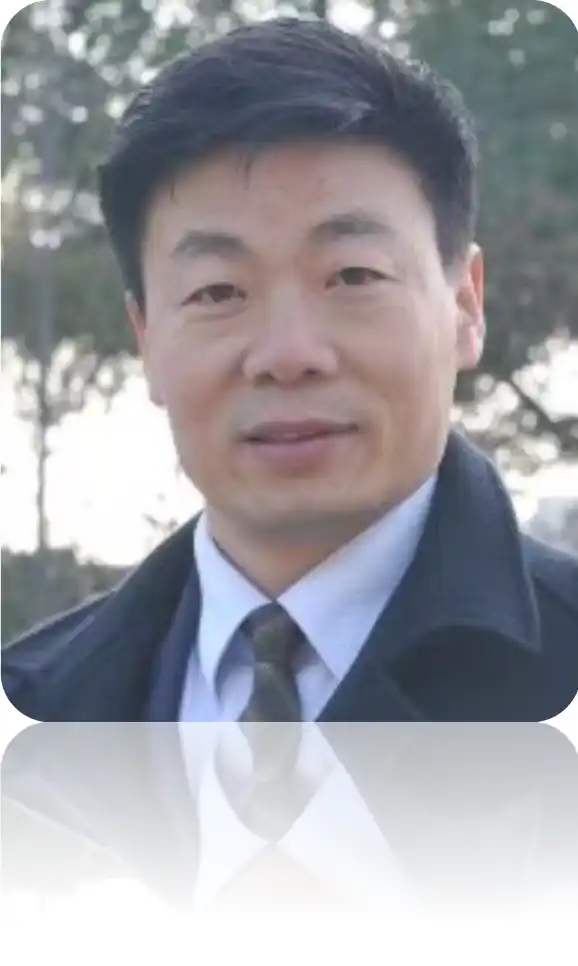
Lixu Tang Ph.D. (China)
Editorial Board Member
Dean, School of Wushu Wuhan Sports University
“Donghu Scholar” Distinguished Professor
Dean, School of Wushu Wuhan Sports University
“Donghu Scholar” Distinguished Professor
Dr. Lixu Tang is Professor of Sport Science and Dean of the School of Wushu at Wuhan Sports University, where he also holds the title of “Donghu Scholar” Distinguished Professor. His research focuses on exercise science, preventive health, and the scientific integration of traditional movement practices—such as Wushu and Qigong—into modern health promotion frameworks.
Dr. Tang has published more than 70 papers in SCI-indexed journals and has led over 30 national-level research projects in areas including therapeutic exercise, traditional movement–based health interventions, and preventive medicine. His work emphasizes evidence-based evaluation of traditional physical practices and their application in public health and national fitness initiatives.
As a member of the Editorial Board of the Journal of Taiji Science, Dr. Tang contributes expertise in exercise science, preventive health, and interdisciplinary research bridging traditional physical culture with contemporary sport science and public health.

Ying Zhao, Ph.D. (China)
Editorial Board Member
Dr. Ying Zhao is Associate Professor and Master’s Supervisor in the Department of Physical Education at Shanghai Jiao Tong University. She received her Ph.D. in Education from Shanghai University of Sport, with specialization in Traditional Ethnic Sports, and completed postdoctoral research at Shanghai Jiao Tong University.
Her research focuses on exercise and rehabilitation, traditional Chinese sports, and health promotion, with particular emphasis on the physiological and immunological mechanisms of Taijiquan and related mind–body practices. She has led and participated in multiple research projects funded by the National Natural Science Foundation of China, the National Social Science Foundation of China, and other provincial and ministerial programs.
Dr. Zhao is the author of a scholarly monograph on Taijiquan and immune function and has published peer-reviewed articles in leading SCI-indexed journals, including Nature Communications. She also serves as a peer reviewer for international journals in exercise science, health promotion, and traditional sports research.
As a member of the Editorial Board of the Journal of Taiji Science, Dr. Zhao contributes expertise in exercise science, rehabilitation, and evidence-based evaluation of traditional mind–body practices, supporting the journal’s mission to advance Taijiquan research within contemporary health and biomedical frameworks.
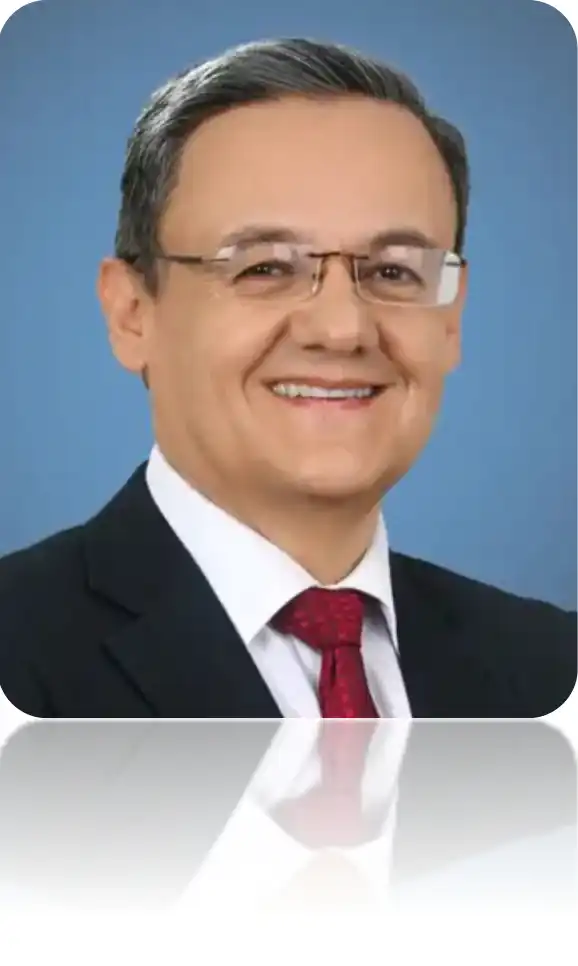
Luis Fernando Cruz Quiroga, M.D., MSc, Ph.D. (Colombia)
Editorial Board Member
Dr. Luis Fernando Cruz Quiroga is Director of the Area of Physical Activity, Exercise, and Integral Health in the Ph.D. Program in Science and Technology for Physical Activity and Sport at Manuela Beltrán University. He is a physician with academic training in public health, higher education, and complex systems–based approaches to health and human movement.
Dr. Cruz received his Ph.D. and postdoctoral training in Complex Systems and Cognitive Neurosciences from the University of South Florida. His research interests include exercise and physical activity as non-pharmacological health interventions, health education, and the application of complex systems theory to movement, cognition, and integrative health.
He has over 30 years of experience applying movement-based health interventions, including Taiji and Qigong, in hospital, clinical, and medical education settings. As a member of the Editorial Board of the Journal of Taiji Science, Dr. Cruz contributes expertise in medicine, public health, and interdisciplinary evaluation of exercise- and mind–body–based health research.
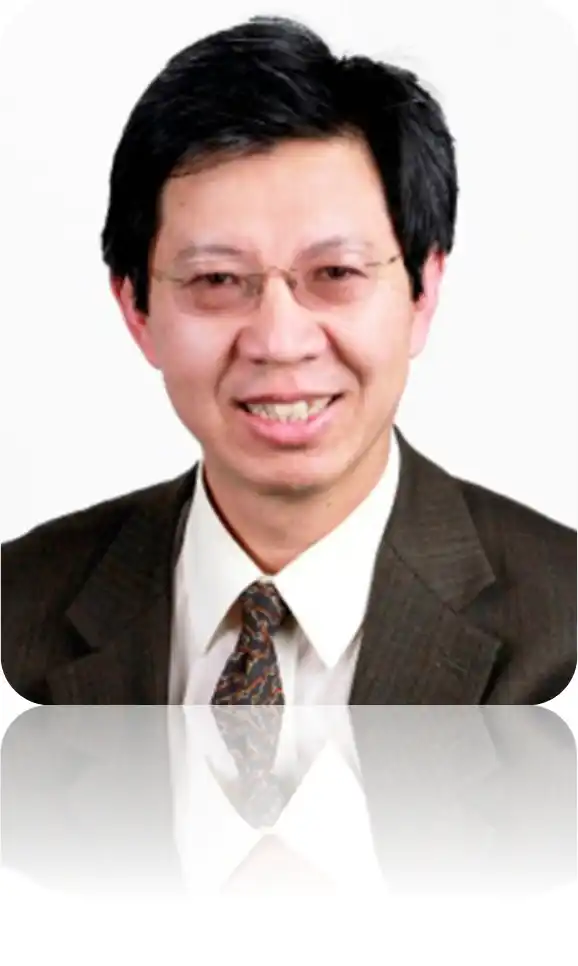 Matthew He, Ph.D. (USA)
Editorial Board Member
Dr. Matthew He is a Full Professor at the Halmos College of Arts and Sciences, Nova Southeastern University, Florida, USA. His academic background is in mathematics, bioinformatics, and information science, with a long-standing focus on quantitative modeling and interdisciplinary research at the intersection of science, technology, and human movement.
Dr. He has authored or edited more than 30 academic books and conference proceedings and published over 100 peer-reviewed papers in areas including mathematical modeling, bioinformatics, non-rigid motion analysis, information theory, and computational analysis of movement patterns. His research contributes to the scientific understanding of complex systems and the application of quantitative methods to movement science and embodied practices.
He serves as an invited Series Editor for Henry Stewart Talks in Biomedical and Life Sciences, reflecting his engagement with interdisciplinary scholarship in biomedical and life science research. As a member of the Editorial Board of the Journal of Taiji Science, Dr. He provides expertise in mathematical modeling, computational analysis, and interdisciplinary evaluation of research on human movement and mind–body practices.

Michael Yanuck, M.D., Ph.D. (USA)
Editorial Board Member
Dr. Michael Yanuck is a physician-scientist with a background in biomedical research and integrative medicine. He previously conducted research at the U.S. National Institutes of Health (NIH), where his work contributed to translational research initiatives supporting the development of an FDA-approved cancer vaccine. During his tenure at the NIH, he also participated in research and programmatic activities examining complementary and integrative health approaches within established biomedical and clinical research frameworks.
Dr. Yanuck has been involved in clinical and observational studies evaluating mind–body and non-pharmacological interventions, including Tai Chi and Qigong, in populations with complex health conditions. His scholarly interests focus on clinical evaluation, implementation research, and health services research related to integrative and non-pharmacological approaches, particularly in pain management, neurological conditions, and whole-person care.
He currently serves as Director of the Homeless Veterans Program and Pain Care Champion for the Northern California VA Health Care System, where his work emphasizes program development, interdisciplinary collaboration, and the responsible integration of evidence-informed complementary approaches into conventional healthcare settings.
As a member of the Editorial Board of the Journal of Taiji Science, Dr. Yanuck contributes expertise in clinical research methodology, integrative medicine, and the evaluation of evidence-based mind–body interventions within medical and health services research.
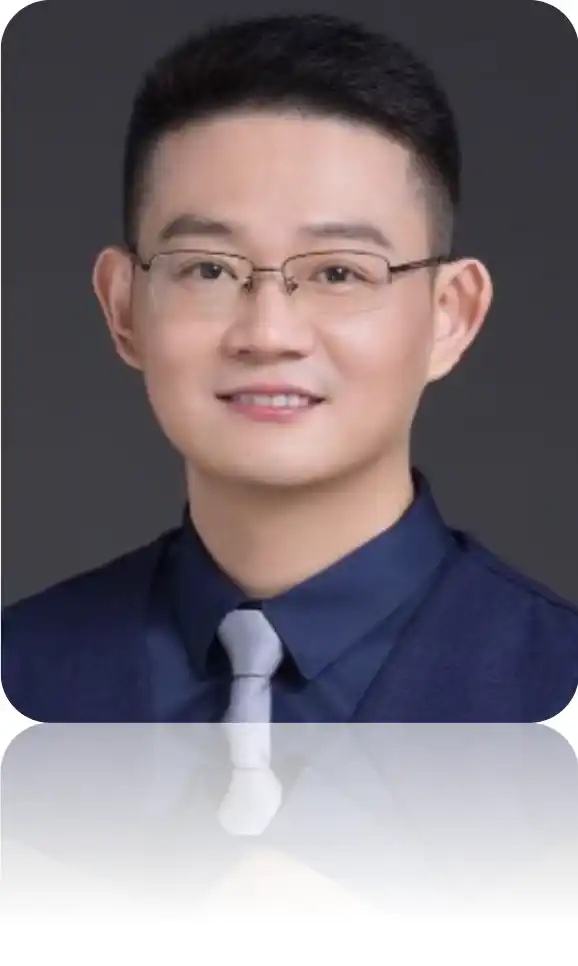 Kang Tao, Ph.D. (China)
Editorial Board Member
Dr. Kang Tao holds a Ph.D. in Education and completed postdoctoral training at Sun Yat-sen University. He has more than a decade of experience in university teaching and graduate supervision. His academic research focuses on health education, physical culture, and traditional sports studies, with particular attention to the historical and socio-cultural dimensions of Taijiquan within contemporary health promotion frameworks.
Dr. Kang is currently an Associate Professor at Guangzhou Transportation University. His research has been supported by two projects funded by the National Social Science Foundation of China, as well as three provincial- and ministerial-level research grants, reflecting sustained engagement in nationally recognized academic research programs.
He is the sole author of two scholarly monographs and has published 27 peer-reviewed academic papers in SCI-, CSSCI-, and other indexed journals. His work contributes to interdisciplinary scholarship linking education, public health, and traditional physical culture through evidence-based and policy-relevant research approaches.
As a member of the Editorial Board of the Journal of Taiji Science, Dr. Kang provides expertise in health education research, cultural and historical analysis of movement practices, and the scholarly evaluation of interdisciplinary studies on Taijiquan and traditional sports.
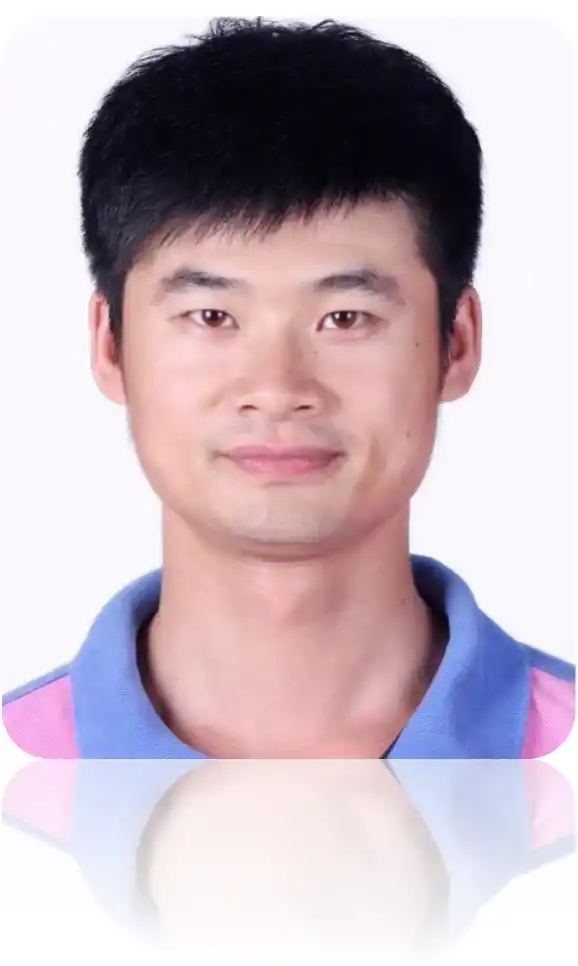
Haibin Yu, Ph.D. (China)
Editorial Board Member
Dr. Haibin Yu is Professor at the School of Physical Education, Quanzhou Normal University, and a certified instructor and examiner of the Chinese Wushu Rank System. He received his Ph.D. in Sports Sciences from the University of Taipei. His research focuses on sports biomechanics and the health-promoting effects of Taijiquan and Qigong, with particular emphasis on movement mechanics, musculoskeletal injury, and functional performance in athletes, non-athletes, and individuals with disabilities.
Dr. Yu has published more than 30 papers in SCI-indexed journals and has led the China Postdoctoral Science Foundation Project, in addition to over 20 national and provincial research projects. His work integrates biomechanical analysis, experimental modeling, and applied exercise science to evaluate traditional movement practices within evidence-based health and rehabilitation frameworks.
He has presented his research at international academic conferences in the United States, Germany, Brazil, South Korea, and Taiwan. Dr. Yu also holds 7 invention patents, more than 20 utility model patents, and 4 software copyrights, reflecting strong translational capacity from scientific research to practical application.
As a member of the Editorial Board of the Journal of Taiji Science, Dr. Yu contributes methodological expertise in biomechanics and quantitative movement analysis, supporting rigorous peer review and advancing high-quality, evidence-based research on Taijiquan and related mind–body practices.
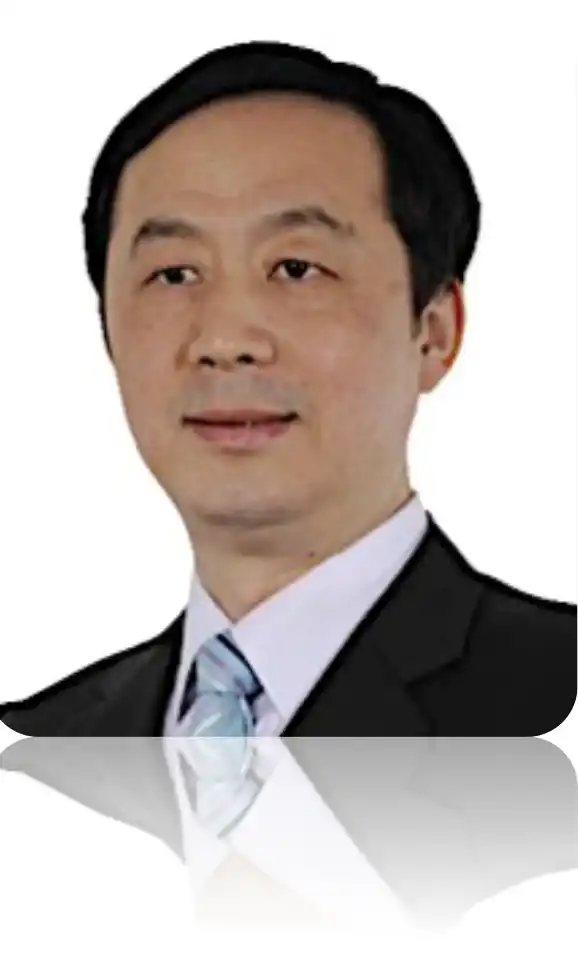
Xiaofei Hu, Ph.D. (China)
Editorial Board Member
Professor, Beijing Sport University
Professor, Beijing Sport University
Dr. Xiaofei Hu is Professor at Beijing Sport University and a doctoral supervisor specializing in health-preserving exercise and traditional mind–body practices. His research focuses on Taiji, Daoyin, Health Qigong, and related exercise-based interventions, with emphasis on their physiological mechanisms, health outcomes, and evidence-based application.
Dr. Hu has led multiple national research projects and published over 30 academic papers. He has served as chief or contributing editor of authoritative instructional and academic texts in the field of health-preserving exercise and has played a key role in the development and standardization of national Health Qigong routines and training systems.
As a member of the Editorial Board of the Journal of Taiji Science, Dr. Hu contributes expertise in exercise-based health intervention, methodological evaluation of traditional movement practices, and the integration o mind–body exercise into contemporary health promotion and preventive medicine.
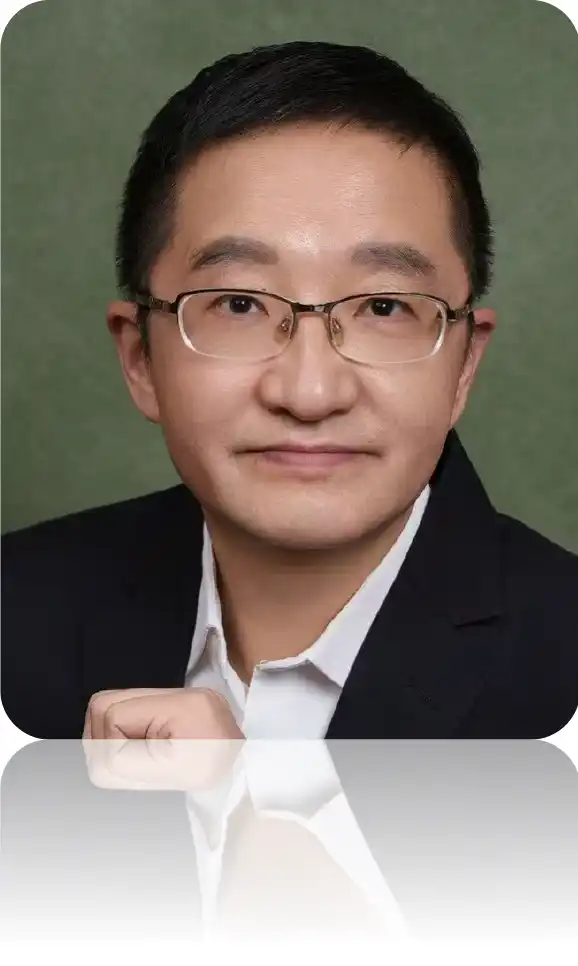
Prof. Yulong Wei (China)
Editorial Board Member
Professor and Chief Physician, Beijing University of Chinese Medicine
Prof. Yulong Wei is Professor and Chief Physician at Beijing University of Chinese Medicine and a doctoral supervisor specializing in medical exercise science, Qigong-based therapy, and integrative rehabilitation. His academic and clinical work focuses on the evidence-based integration of traditional Chinese therapeutic exercise with modern medicine for chronic disease management and functional recovery.
Prof. Wei has led multiple national and provincial research projects and has published over 200 academic papers. He is chief editor of the national textbook Chinese Medical Exercise Science and has authored or edited more than 28 academic books. His research spans medical Qigong, non-pharmacological interventions, pulmonary rehabilitation, and integrative approaches to musculoskeletal and neurological disorders.
With nearly three decades of clinical experience, Prof. Wei has developed and applied integrative therapeutic models combining acupuncture, Qigong, and active exercise training. As a member of the Editorial Board of the Journal of Taiji Science, he contributes expertise in medical exercise, clinical evaluation of mind–body interventions, and integrative rehabilitation research.

Feng Wang, PhD (Malaysia)
Editorial Board Member
Dr. Feng Wang is Senior Lecturer in the Faculty of Sports Science and Coaching at Universiti Pendidikan Sultan Idris (UPSI), Malaysia. He received his Ph.D. in Physical and Health Education from the University of Malaya and completed advanced training in traditional Chinese sports at Wuhan Sports University and Yangtze University in China. His academic expertise spans sport science, health education, and exercise-based health promotion.
Dr. Wang’s research focuses on physical activity interventions for chronic disease prevention and health promotion, with particular interest in the evidence-based application of traditional mind–body practices such as Taijiquan and Qigong. His studies have examined the effects of Taijiquan on obesity management, cardiopulmonary fitness, core stability, psychological well-being, and stress regulation, contributing empirical data to the evaluation of traditional exercise within modern health frameworks.
He has proposed the concept of “Taichi is Medicine” as a health promotion model grounded in exercise science and preventive medicine, emphasizing measurable physiological and psychosocial outcomes. Dr. Wang has teaching and research experience in both Malaysia and China, supporting cross-cultural perspectives in sport and health research.
Dr. Wang currently serves on the editorial boards of several journals and professional associations in health, nursing, and exercise sciences. As a member of the Editorial Board of the Journal of Taiji Science, he contributes expertise in exercise intervention design, health promotion research, and international education, supporting rigorous peer review and the global dissemination of evidence-based mind–body research.
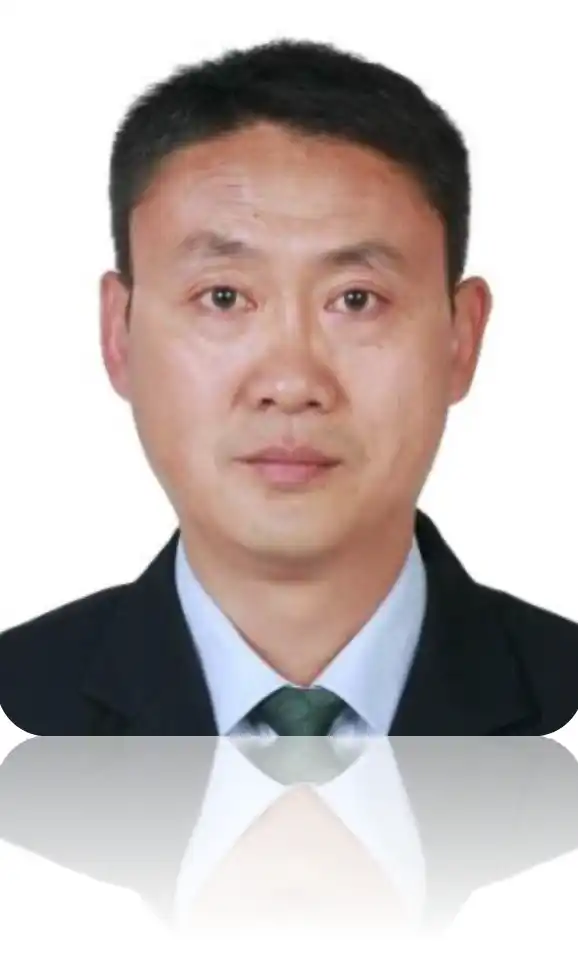
Naxin Zhang, Ph.D. (China)
Editorial Board Member
Professor and Dean, School of Physical Education (Taijiquan School), Henan Polytechnic University
Dr. Naxin Zhang is Professor and Dean of the School of Physical Education (Taijiquan School) at Henan Polytechnic University and a master’s supervisor specializing in sports education, public sports management, and the inheritance and development of Taijiquan. His research focuses on the modernization of traditional sports, curriculum reform, and the integration of Taijiquan into higher education and public fitness systems.
Dr. Zhang has presided over and participated in multiple national and provincial research projects, including those funded by the National Social Science Foundation of China. He has published more than 30 academic papers in leading sport science journals and has authored academic monographs and contributed to university-level textbooks. His research outcomes have been applied in teaching practice and policy-oriented sports education initiatives.
As a member of the Editorial Board of the Journal of Taiji Science, Dr. Zhang contributes expertise in sports education research, Taijiquan studies, and the academic governance of traditional movement disciplines within contemporary education and public health frameworks.
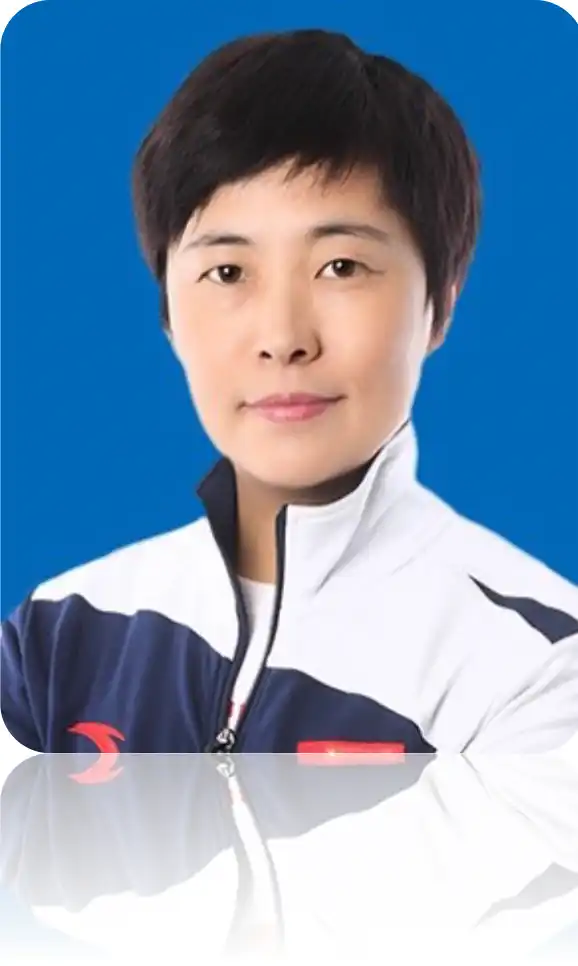
Xin Xue, Ph.D.
Editorial Board Member
Professor and Doctoral Supervisor, Beijing Sport University
Dr. Xin Xue is Professor and Doctoral Supervisor at Beijing Sport University, specializing in Wushu studies, ethnic traditional sports, and health-oriented movement education. Her academic research focuses on curriculum systems, pedagogical models, and the role of traditional movement practices in health promotion, physical education, and lifelong physical activity.
Dr. Xue has led and participated in multiple national and provincial research projects and has published more than 40 peer-reviewed academic papers, including articles indexed in SCI, SSCI, A&HCI, EI, and core Chinese journals. Her publications address curriculum evaluation, educational effectiveness, and interdisciplinary approaches to traditional movement practices within contemporary education and health frameworks.
She has authored and co-authored several academic textbooks and monographs on traditional sports education, contributing to both scholarly research and higher education practice. As a member of the Editorial Board of the Journal of Taiji Science, Dr. Xue provides expertise in curriculum-based research, educational evaluation methodologies, and interdisciplinary assessment of mind–body movement practices.

Harold J. Recinos, Ph.D. (USA)
Advisory Board Member
Professor of Church and Society, Southern Methodist University
Dr. Harold J. Recinos is Professor of Church and Society at the Perkins School of Theology, Southern Methodist University. A cultural anthropologist, theologian, and poet, his scholarship explores cultural identity, spirituality, social justice, and community resilience, with particular attention to lived experience and narrative-based approaches to healing and well-being.
Dr. Recinos has published extensively in academic journals and edited volumes and is the author of numerous poetry collections. His interdisciplinary work integrates ethnography, cultural analysis, and creative expression to examine how meaning-making practices shape individual and collective health.
As a member of the Advisory Board of the Journal of Taiji Science, Dr. Recinos provides humanistic and cultural perspectives that support the journal’s interdisciplinary engagement with mind–body practices, health, and integrative well-being.

Selay Marius Kouassi, Ph.D. (Côte d’Ivoire)
Advisory Board Member
Dr. Selay Marius Kouassi is a university professor and interdisciplinary researcher based in Côte d’Ivoire, working across education, health promotion, and cultural communication. He has been actively involved in the international dissemination of Wushu, Taiji, and Health Qigong within African academic and community contexts and has collaborated with institutions across Africa, Asia, Europe, and North America.
Dr. Kouassi is the founder of Uni-Wushu and the Côte d’Ivoire Health Qigong Association and has organized numerous cross-cultural academic and educational exchanges. His work emphasizes the role of traditional movement practices in public health outreach, cultural dialogue, and international cooperation.
As a member of the Advisory Board of the Journal of Taiji Science, Dr. Kouassi provides strategic perspectives on global outreach, cross-cultural engagement, and the international communication of mind–body practices.

Beverley Kane, M.D. (USA)
Advisory Board Member
Adjunct Clinical Assistant Professor of Medicine, Stanford University School of Medicine
Dr. Beverley Kane is a physician and medical educator at Stanford University School of Medicine, where she serves as Adjunct Clinical Assistant Professor of Medicine. Her work focuses on experiential medical education, somatic awareness, and the integration of mind–body practices into clinical training and professional development.
Dr. Kane is the Program Director of Medicine & Horsemanship and Equine-imity Somatic Horsemanship, innovative programs that employ experiential learning to enhance empathy, communication, and self-regulation in healthcare professionals. She also teaches Medical Tai Chi to clinicians and students, emphasizing embodied awareness and integrative approaches to healing.
As a member of the Advisory Board of the Journal of Taiji Science, Dr. Kane provides clinical-educational perspectives on experiential learning, embodied practice, and the application of mind–body approaches in medical and health professional education.

C. P. Ong, Ph.D. (USA)
Advisory Board Member
Dr. C. P. Ong is a scholar and long-term practitioner of Taijiquan whose work focuses on the theoretical foundations of internal strength (Neijin), traditional movement principles, and the conceptual understanding of mind–body practices. His research explores classical Taijiquan concepts through the lenses of science and biomechanics, and his publications are widely accessed via ResearchGate.
Dr. Ong holds a Ph.D. in Mathematics from the University of California, Berkeley. He is the author of Taijiquan: Cultivating Inner Strength (Neijin) and has contributed to international forums on Taijiquan theory and practice.
As a member of the Advisory Board of the Journal of Taiji Science, Dr. Ong provides conceptual and theoretical guidance on traditional Taijiquan thought and its dialogue with contemporary scholarship.